


AI search is no longer a thought experiment. Google and others are testing consumer-facing features that summarize web results, recommend products, and even drive purchases. At the same time, data from industry surveys shows how quickly consumers are adapting and where the bottlenecks remain.
The next phase is already coming into view: agentic commerce, where AI agents don’t just recommend but act on our behalf. Google’s newly launched Agent Payments Protocol (AP2) is the clearest signal yet of how this future will work and how it could reshape the role of SEO and PPC in driving demand and conversions.
AI Search Is Here and Consumers Are Adapting
Search Engine Land’s AI survey data shows consumers are leaning into AI:
- 87% of users read AI-generated search summaries.
- 84% of users have used AI in their shopping journey.
That’s significant behavioural buy-in, even though adoption is uneven across demographics. Younger audiences are more comfortable with AI-driven shopping, while older users still default to traditional search and direct navigation.
AI search is also being positioned differently depending on context:
- Summaries for knowledge queries (e.g., health, how-to, comparisons).
- Shoppable results where AI consolidates products, reviews, and purchase links.
The trend is clear: discovery is shifting from websites to AI-driven interfaces.
The Traffic Gap: AI Referrals Still Under 1%
Despite the consumer interest, the actual traffic impact is small, for now. According to Search Engine Land, AI referrals account for less than 1% of traffic compared to traditional organic search.
That means two things:
- Businesses don’t need to panic about disappearing traffic overnight.
- But they should start preparing for attribution and analytics changes.
Google itself is adjusting how it collects SERP data, which will affect how publishers, e-commerce sites, and platforms measure both traditional and AI-driven visibility. As AI search scales, the accuracy of attribution and visibility metrics will determine whether businesses see it as an opportunity to grow or a challenge to overcome.
What’s Changing in SERP Data Collection
SEMrush recently detailed how Google is tightening access to certain types of SERP data. This has direct implications for SEO and analytics tools that track rankings, impressions, and click-through rates.
For AI-driven search, the stakes are higher. When AI summaries replace several organic results, it becomes harder to track visibility. Instead of simply checking whether a site ranks first or third, businesses will need new ways to measure their presence.
- Inclusion in AI summaries
- Visibility in AI shopping carousels
- Referrals tagged as agentic traffic
Early adopters are already experimenting with structured data and product feeds to make their content AI-readable.

Enter Agentic Commerce: Google’s Agent Payments Protocol
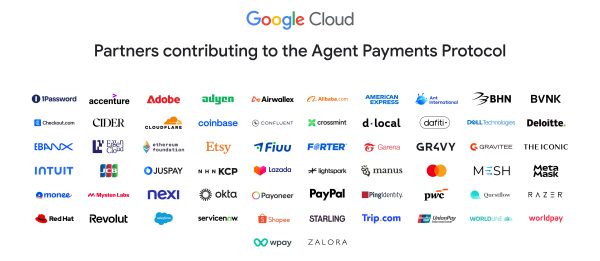
Discovery is only half the story. To complete the loop, AI needs a way to act on a user’s behalf, and that requires a new layer of trust. Google’s answer is the Agent Payments Protocol (AP2), launched with over 60 partners including Mastercard, PayPal, Coinbase, and American Express.
How AP2 Works
- Mandates: Cryptographically signed contracts that prove a user’s intent and authorisation.
- Coverage: Supports real-time purchases (like checkout) and delegated tasks (like booking tickets or paying subscriptions).
- Crypto Integration: Through Coinbase and the Ethereum Foundation, AP2 supports stablecoins via A2A x402, bridging traditional payments and Web3.
This isn’t just another API update. It’s the beginning of a payments standard designed for a world where AI, not humans, initiates transactions.
Why Agentic Commerce Matters
Agentic commerce reframes the role of the internet:
- Instead of searching for options, users will increasingly delegate tasks to AI (“Book me the best flight under $500” or “Order my usual groceries every Friday”).
- AP2 ensures these instructions are verifiable, authorised, and enforceable.
- Brands may never interact directly with consumers but instead compete to become the preferred supplier to an AI agent.
The implications are enormous. Just as PCI compliance became a baseline for e-commerce, agent-payment compliance could become the default requirement for doing business online.
Action Steps for Businesses
1. Optimise for AI Discovery
Structured data, clean product feeds, and transparent reviews will increase the chances of being included in AI search summaries and shopping assistants.
2. Track AI Referral Traffic
Expect analytics platforms to release new filters for AI-driven traffic. Begin segmenting it from organic and paid sources as early as possible.
3. Plan for Agent-Payment Standards
If your business sells online, AP2, or a similar protocol, will eventually become mandatory. Start evaluating how your payment systems can adapt.
4. Anticipate B2B Use Cases
While consumer shopping gets the headlines, B2B procurement is ripe for agentic commerce. Imagine AI agents negotiating vendor contracts, managing subscriptions, or optimising cloud spend.
Why we care
AI search is moving from novelty to infrastructure. Consumers are comfortable with AI-generated summaries and open to shopping through assistants. While traffic referrals are still small, the underlying standards, like Google’s Agent Payments Protocol, are being set now.
The long game is agentic commerce, where AI handles both discovery and transaction on behalf of users. Businesses that adapt early by optimising for AI visibility, tracking agent-led referrals, and preparing for new payment standards will be positioned to thrive in the next evolution of the web.